Profile · Software engineering
The engineer behind the console
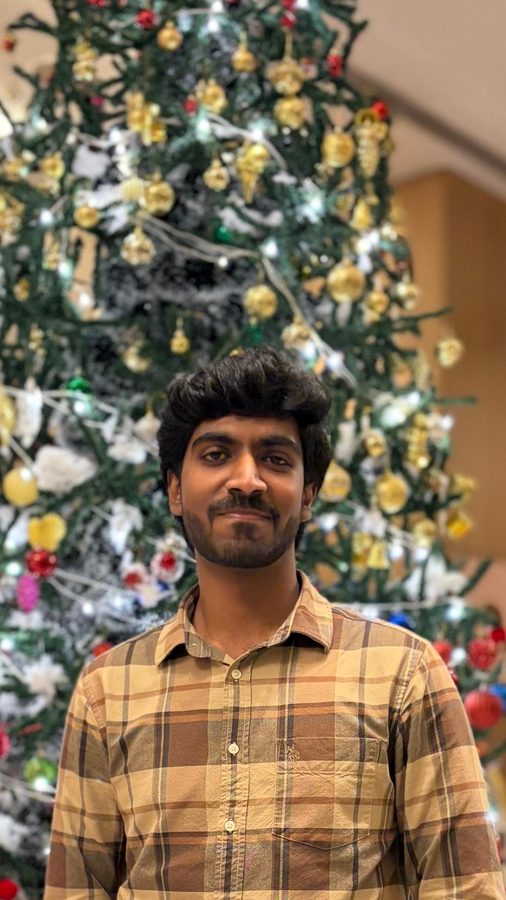
I'm Jesvi — a software developer who builds useful systems that have purpose & create value.
By day, I work in fintech payments. Outside of work, I develop my own software and tools, while making music and content on the side.
Wherever I am, I'm usually building something.
01Experience
Software Engineer
Core payments engineering at Worldline — Europe's largest payments provider, fourth in the world, on WLPFO: a high-availability C++ platform between terminals and acquiring systems handling millions of real-time transactions. I work across payment protocols, transaction flows, and scheme-specific requirements under low-latency SLAs & security compliance, while modernizing legacy systems.
Alongside the core product, I build proprietary tooling — from extensions and transaction utilities to testing and environment/developement toolkits.
02The short version
Backend engineer, three years of it in payments, and full-stack everywhere else. The day job is C++ under PCI-DSS, latency SLAs and protocol specifications written to be followed exactly. Outside it the stack is Python, Vue 3 and GCP, with the AI and data work my degree was in - built end to end, deployed and kept running by the same person who wrote it. I am open to full-time backend or full-stack roles, and to freelance builds.
None of it was a career pivot. Writing code and producing music both came from the same instinct - build the tool that should exist instead of settling for the ones that do. Most of what I build outside work ends up open-sourced on GitHub. Both are the same habit - take the thing apart, work out why it works, build my own.
Anyone can demo. The engineering is in what still works under load, under failure, when no one's watching.
03What I actually build
The protocol layer is where most of it lives - payment protocols like GICC, NEXO, EP2, STRAPI, CTAP, ISO 8583 and ISO 20022, the scheme-specific rules underneath them for Visa, Mastercard, Bancontact, UPI, Amex, JCB, Diners and UnionPay, and a handful of custom, internal protocols built specifically for WLPFO. Every transaction type has its own shape too - purchase, offline, recovery, reversal - each with its own cryptography on the PCI-compliant fields that make it safe to move.
WLPFO has to hold strict security and specification compliance while meeting the high-availability, low-latency bar that real-time payments demand - deployed across GCP and our own acquiring infrastructure, with the database work underneath it that keeps millions of transactions consistent. Understanding it end to end is what makes it possible to work on it, and to further move a legacy system onto a modern platform without a single transaction dropping mid-flight.
None of it happens alone. A protocol change goes out to deployments across Europe and Australia, so it means working with the teams on each one, and most of the internal tools I build exist because a teammate needed them, not just because I did. The best version of any of it is the one built with other people, not around them.
04Credentials
-
Certified
Professional Cloud Architect
Google Cloud — architecture, security and scalability on GCP.
-
2023
IEEE-published paper
ICDSAAI 2023 — peer-reviewed and indexed.
-
1st · 2024
Google Cloud GenAI Hackathon
First place 2024, third place 2025 — the build is in Selected work.
 01
01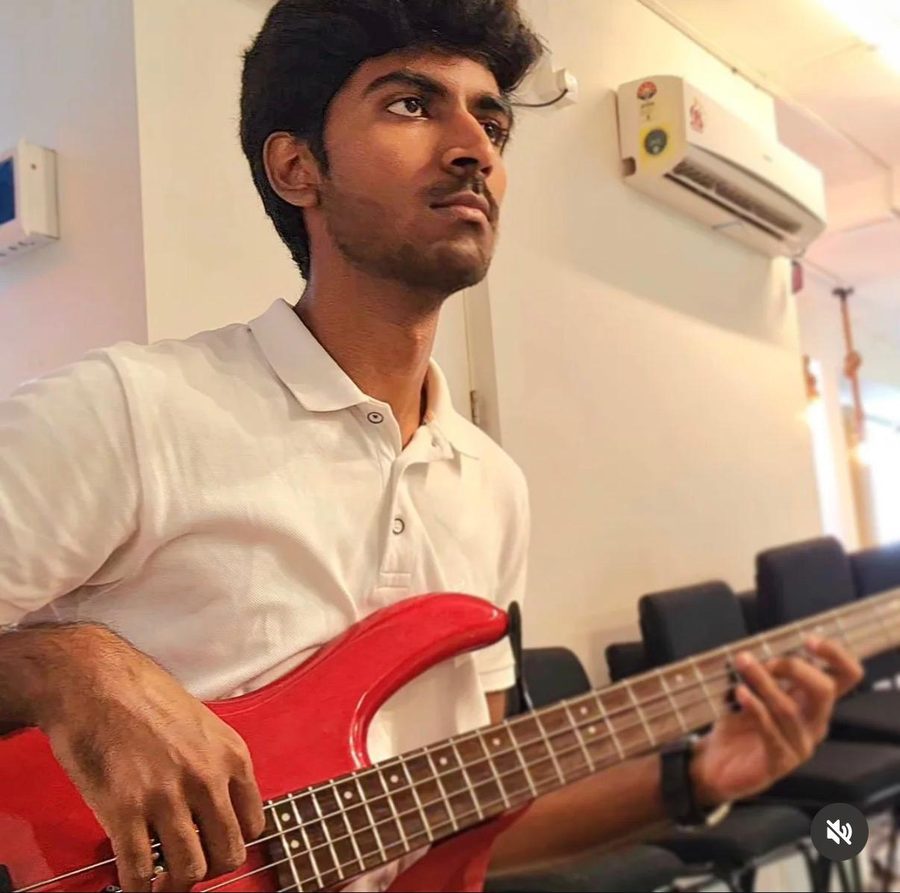 02
02 03
03 04
04 05
05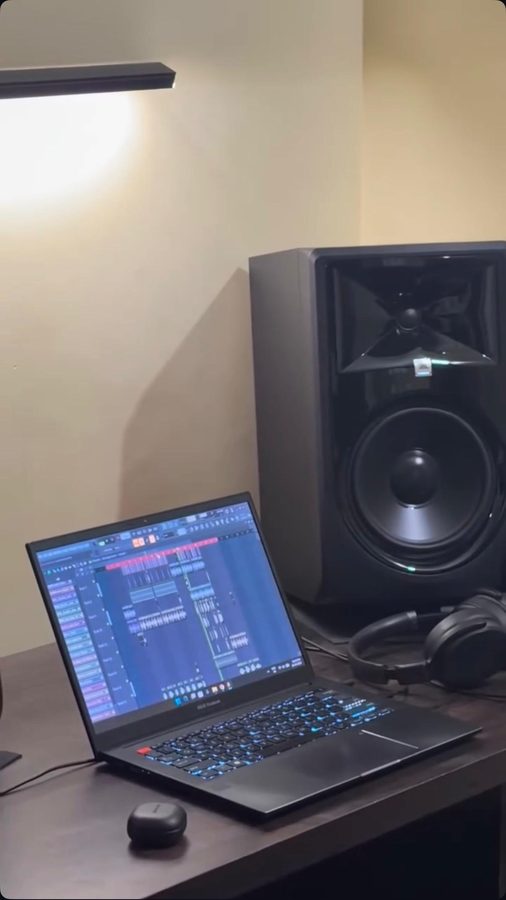 06
06